Mistakes To Avoid When Cleaning Slate Tile Floors
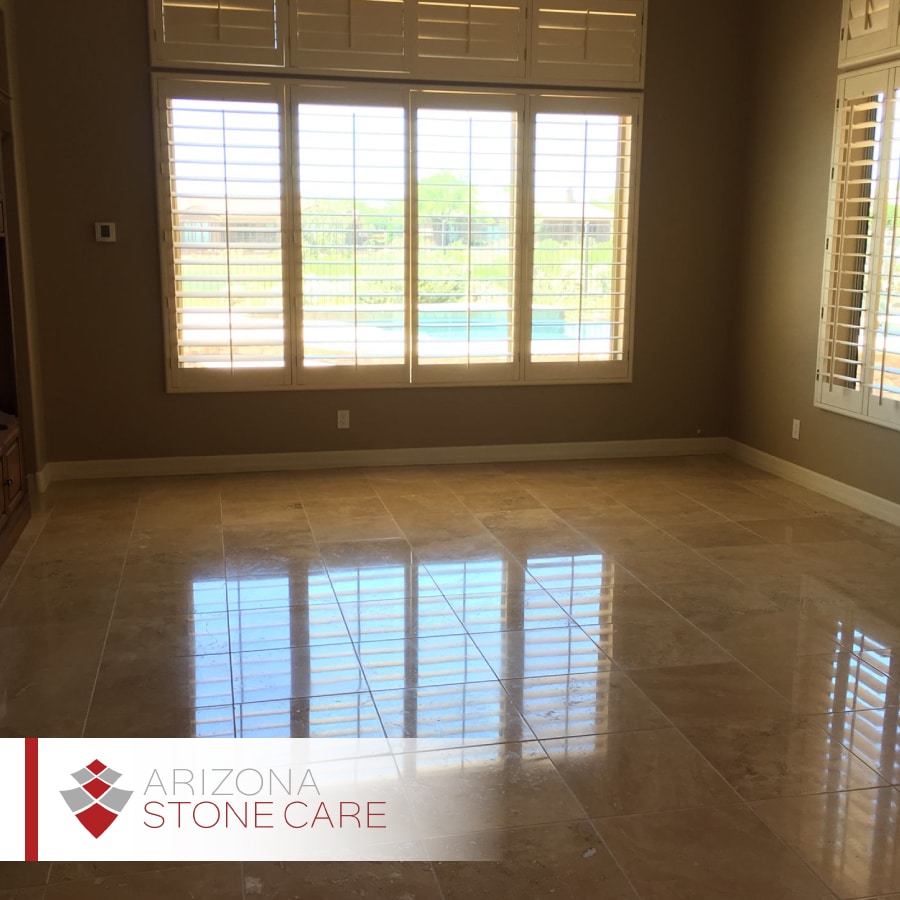
Slate tile is durable, textured, and beautiful, but it is still natural stone. The wrong cleaner, scrubber, or maintenance habit can leave dull spots, scratched traffic lanes, damaged grout, worn sealer, or stains that become harder to fix later.
Good slate care is simple: remove grit before it scratches, use a stone-safe cleaner, keep water under control, and protect the sealer. The mistakes below are the ones that cause most dull spots, cloudy residue, dirty grout, and avoidable repairs.
Do Not Clean Slate Tiles With Vinegar
Cleaning slate tiles with vinegar is a bad idea, even though vinegar is often recommended for general household cleaning. Slate is natural stone, and acid-based cleaners can create problems that do not show up until the floor starts looking dull, patchy, or harder to maintain.
Vinegar can break down penetrating sealers and topical finishes. It can also erode cement-based grout over time. Some slates contain calcium-based minerals that may react to acid, causing dulling or etching. Not every slate reacts exactly like marble or travertine, but acid sensitivity varies enough that vinegar is not worth the risk.
Use a pH-neutral stone cleaner instead. The Natural Stone Institute recommends neutral cleaner, stone soap, or mild liquid dishwashing detergent and warm water for natural stone care, and warns that products with lemon, vinegar, or other acids can dull or etch some stone surfaces.
Can You Use Vinegar On Slate Floors?
No. Vinegar is acidic and can weaken stone sealer, wear on cement-based grout, and dull acid-sensitive minerals in some slate. A single use may not always create obvious damage, but repeated vinegar cleaning can make the floor harder to keep clean. Use a pH-neutral stone cleaner instead.
Do Not Use Abrasive Cleaners Or Scrub Pads
Slate can look rugged because it often has a rough or layered surface, but aggressive scrubbing can still damage it. Avoid steel wool, scouring pads, powdered abrasive cleaners, stiff brushes, and harsh deep-clean products that are not made for natural stone.
Abrasive products can scratch the stone, wear down the finish, and make traffic lanes look dull. Use a soft mop, microfiber pad, or soft-bristle brush when the surface needs gentle agitation.
Clean Slate’s Natural Cleft Surface The Right Way
Many slate floors have a natural cleft surface, which means the tile has high and low textured areas instead of a perfectly flat face. That texture is part of the look, but it also gives dust, mop water, and soil places to collect.
On heavily textured slate, a flat mop may glide over the high points while leaving soil in the low spots. A soft-bristle brush can work cleaner into the surface without the damage caused by abrasive pads or stiff scrubbing tools.
What Is The Best Way To Mop Textured Slate Tile Floors?
Use a damp mop with a pH-neutral stone cleaner for routine cleaning. If the slate has a deep natural cleft texture, gently agitate dirty areas with a soft-bristle brush so soil is lifted from the low spots. Rinse with clean water as needed and dry the surface instead of leaving dirty water behind.
Do Not Let Arizona Dust And Grit Sit On The Floor
In Arizona homes, dust and fine grit get tracked inside constantly. On slate, that grit acts like sandpaper under shoes, chairs, rugs, and pet traffic.
Sweep, dust mop, or vacuum with a hard-floor setting often, especially near exterior doors, patios, garages, and pool areas. Entry mats help, but only if they are cleaned regularly. A dirty mat can become another source of grit.
Do Not Use The Rotating Brush On Your Vacuum
Vacuuming slate is fine. Using the rotating brush roll is the problem.
The bristles can scratch the stone, push grit across the surface, and wear down the finish over time. Use suction only, a hard-floor vacuum setting, or a soft floor attachment. If your vacuum does not let you turn off the brush roll, use a dust mop instead.
Do Not Drag Furniture Across Slate Floors
Dragging furniture across slate can leave long scratches, chipped edges, or marks that are difficult to repair. This is especially common under dining chairs, bar stools, benches, and heavy patio furniture.
Use felt pads under chair legs, tables, sofas, and heavy furniture. Replace the pads when they collect grit or start to peel. For heavier pieces, lift instead of dragging. If you need sliders, clean the floor first so dirt is not trapped underneath.
Do Not Mop With Too Much Water
Slate floors should be damp mopped, not soaked. Too much water can settle into grout lines, worn sealer, edges, cleft texture, or small cracks.
That moisture can leave cloudy residue, dark areas, or mineral haze as it dries. Use a damp mop, change the water often, and dry the floor before putting rugs or furniture back.
Do Not Use Generic Tile Cleaner Without Checking The Label
Not every tile cleaner is safe for slate. Some products are made for ceramic or porcelain tile, not natural stone. Others are made to remove rust, soap scum, or hard water with acids that may be too aggressive for slate or grout.
Look for a cleaner labeled safe for natural stone. If the label mentions acid, vinegar, bleach, ammonia, or abrasive ingredients, skip it. MSI Surfaces also recommends avoiding vinegar, lemon juice, and other acidic cleaners on natural slate.
Need help with a slate floor that will not come clean? Arizona Stone Care provides slate tile cleaning and sealing for homes and businesses throughout the Phoenix metro area.
Do Not Ignore Stains, White Haze, Or Dirty Grout
A slate floor that still looks dirty after mopping may not have a simple surface dirt problem. Common causes include embedded grit, worn sealer, cleaner buildup, dirty grout, efflorescence or mineral residue, and oil or moisture absorbed into the stone.
Efflorescence is one common cause of white haze. It happens when moisture carries salts or minerals to the surface and leaves a pale residue behind as it dries. Do not attack white haze with vinegar or acid cleaners, because that can damage grout, sealer, or acid-sensitive minerals in the slate.
If a stain does not come up with a pH-neutral cleaner and gentle agitation, do not keep escalating with stronger chemicals. That is how a small stain becomes a larger damaged area.
Why Does My Slate Floor Still Look Dirty After Mopping?
If the floor still looks dirty after proper mopping, the issue may be below the surface or in the finish, grout, or texture. Look for cloudy film, dark traffic lanes, white haze, or grout that stays dark. Those clues help determine whether the problem is cleaner residue, worn sealer, embedded soil, or mineral deposits.
Watch For Flaking Or Spalling Slate
Flaking or spalling slate can look like thin layers peeling, chipping, scaling, or breaking away from the top of the tile. Some slate naturally has layered texture, but active flaking is different from normal surface variation.
Harsh scrubbing, pressure washing, trapped moisture, and freeze or moisture cycles can make weak layers worse. If slate is shedding pieces, lifting, or breaking down in traffic areas, it is time to have the floor inspected before more aggressive cleaning is attempted.
Understand Sealers Before Adding Shine Products
Slate sealers are not all the same. Penetrating sealers absorb into the stone to help reduce staining. Topical coatings sit on the surface and can wear unevenly in traffic lanes. Color enhancers are designed to deepen or enrich the stone’s color while helping protect it, depending on the product and surface.
A topical coating is not the same thing as wax, but both can create appearance problems when the wrong product is used or when buildup collects unevenly. If your slate looks dull, patchy, sticky, or shiny only in certain areas, adding another shine product may make the problem worse.
Try a simple water-drop test: place a few drops of water on a clean area of slate and watch whether the water beads up or darkens the stone quickly. Fast darkening can mean the sealer is no longer doing its job. A professional can assess whether the floor needs cleaning, sealing, enhancing, or restoration.
How Do I Know If My Slate Needs Resealing?
Your slate may need resealing if clean water darkens the stone quickly, stains are absorbing faster than they used to, or traffic lanes look dry and uneven after cleaning. Do not rely on a calendar alone. Slate type, sealer type, wear, sun exposure, and cleaning habits all affect whether resealing is needed.
Be Careful With Outdoor Slate Patios And Pool Decks
Outdoor slate in Arizona has extra challenges. Irrigation overspray and pool splash can leave hard-water spots. Chlorine or salt-pool water can dry on the surface and contribute to residue. Monsoon dust storms can leave grit packed into textured slate and grout lines.
Rinse loose grit off gently, but do not flood the surface or force water into weak joints, cracks, or layered stone. Pressure washing slate can drive water into the stone, worsen flaking, loosen grout, and leave streaks or surface damage.
Can I Pressure Wash My Slate Patio?
It is better not to pressure wash slate. High pressure can force water into layers, weaken grout, worsen flaking, and leave uneven marks. For outdoor slate, remove loose debris, rinse gently, use a stone-safe cleaner when needed, and address hard-water residue or pool splash before it builds up.
Do Not Wait Too Long For Slate Cleaning Or Restoration
Routine maintenance can keep slate looking good, but it cannot solve every problem. If the floor has embedded dirt, worn sealer, cloudy buildup, spalling, or stains, professional cleaning can save you from using the wrong product and making the damage worse.
Arizona Stone Care can inspect the floor, clean the slate safely, and recommend sealing or restoration when the surface calls for it. The right path depends on the type of slate, the existing finish, the grout condition, and how the floor is used.
For related help, see our pages on how to polish slate floor tiles and ways to keep slate tile floors looking pristine.
The Safe Way To Maintain Slate Tile Floors
For everyday slate floor care, keep the routine simple and stone-safe:
- Sweep, dust mop, or suction-vacuum loose grit.
- Clean with a pH-neutral stone cleaner.
- Use a damp mop, not a soaking wet mop.
- On textured slate, use a soft-bristle brush when a flat mop does not reach low spots.
- Wipe spills, pool splash, and irrigation water quickly.
- Avoid vinegar, bleach, ammonia, abrasive products, and pressure washing.
- Schedule an inspection when the floor no longer responds to normal maintenance.
Need Help With Slate Floor Cleaning In Arizona?
If your slate floor looks dull, stained, cloudy, scratched, flaky, or hard to clean, Arizona Stone Care can help with slate cleaning, sealing, and restoration, plus grout cleaning, coloring, and sealing.
Call (480) 232-6264 or request a free quote. Arizona Stone Care serves Mesa, Scottsdale, Chandler, Queen Creek, Gilbert, Tempe, Phoenix, and nearby Phoenix metro communities, and the work is backed by a 100% satisfaction guarantee.
We also provide local tile and grout cleaning services in areas including Scottsdale and Queen Creek.

Arizona Stone Care
Email: [email protected]
Website: www.arizonastonecare.com
Mesa Location
505 W 8th Ave #17
Mesa, AZ 85210
Office: 480-232-6264
Scottsdale Location
6908 E Thomas, Suite #202-1,
Scottsdale, AZ 85251
Office: 602-932-0011
Chandler Location
2101 N Evergreen, unit 1031
Chandler, AZ 85225
Office: 480-531-6796